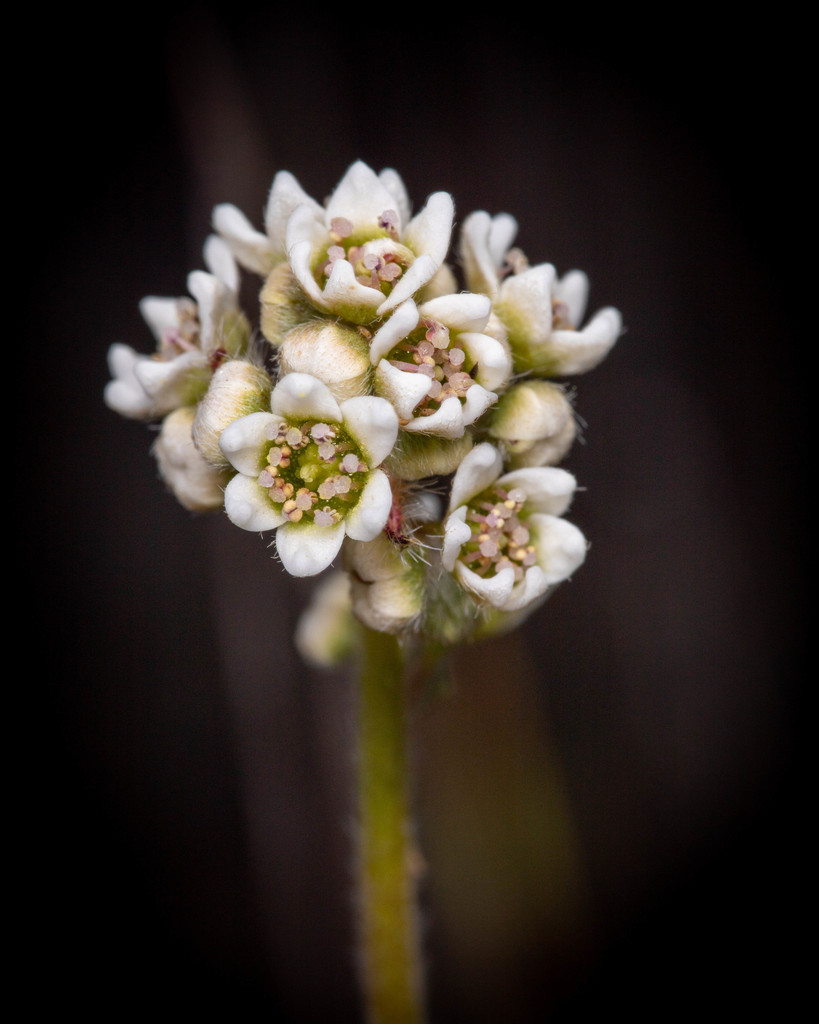
Cephalotus follicularis
Albany Pitcher Plant
Description
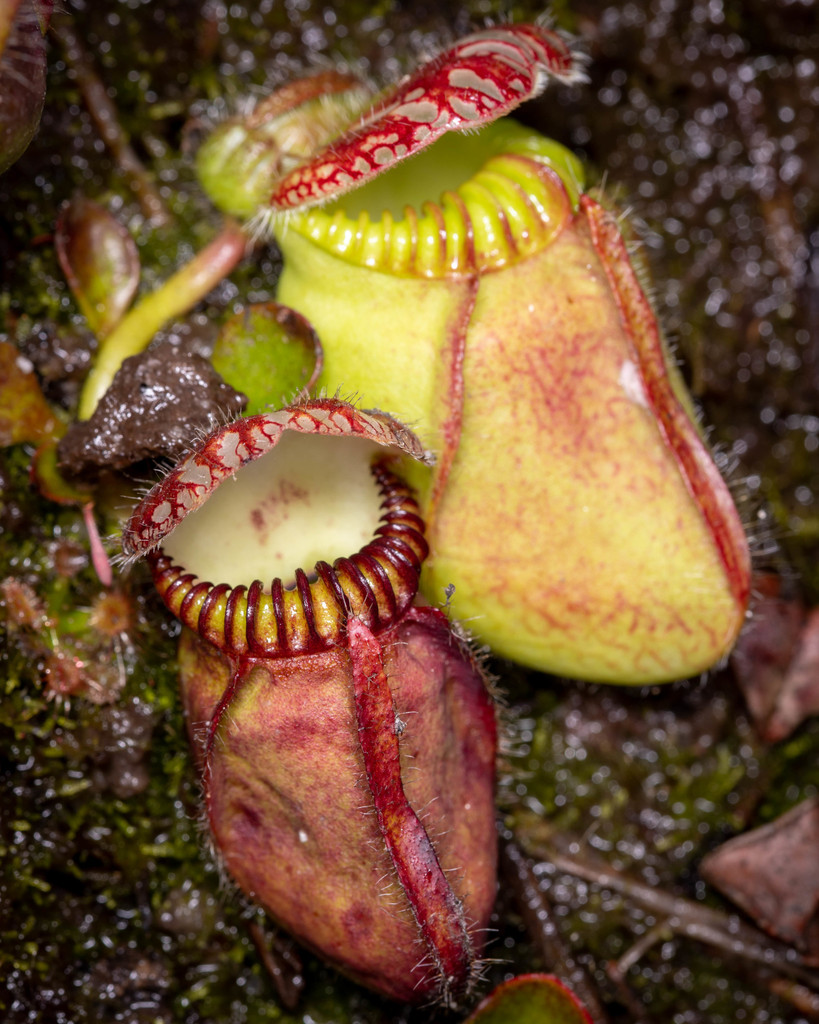
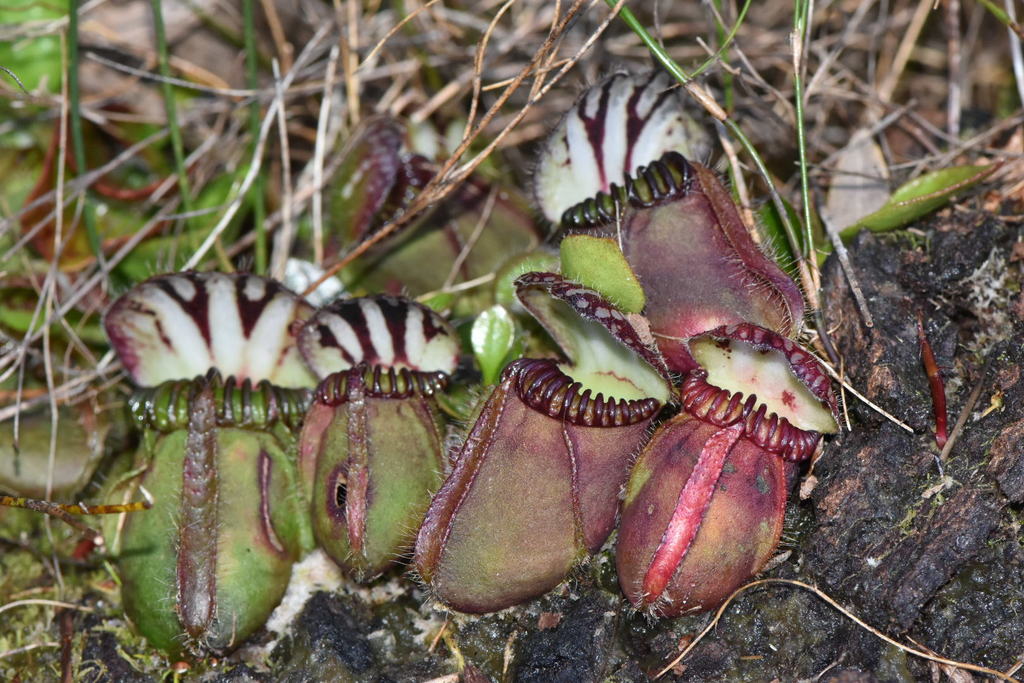
Cephalotus follicularis is the sole member of its family and one of the most coveted treasures among carnivorous plant growers. Its small pitchers, just 3-5 cm, feature an articulated lid with translucent ribs that guide insects inside through phototropism. Unlike other pitcher plants, Cephalotus simultaneously produces both normal photosynthetic leaves and leaves transformed into pitchers. It is endemic to a small boggy region of southwest Australia, where conditions are very specific.
Specific care
It is one of the most difficult to grow. It needs a very well-drained but always moist substrate, without direct waterlogging. The key is temperature variation: warm days (20-28°C) and cool nights (10-15°C) in summer, and a mild winter (5-10°C). It tolerates extreme heat and drought poorly. Use very low conductivity water. Repot very carefully: it has fragile roots. High ambient humidity is essential.
Cephalotus is the only member of the Cephalotaceae family, a completely independent evolutionary lineage from all other carnivorous plants. Its pitchers evolved convergently with those of Nepenthes and Sarracenia, without any common ancestor that was carnivorous.
Gallery