Nepenthes spp.
Tropical Pitcher Plants
Description
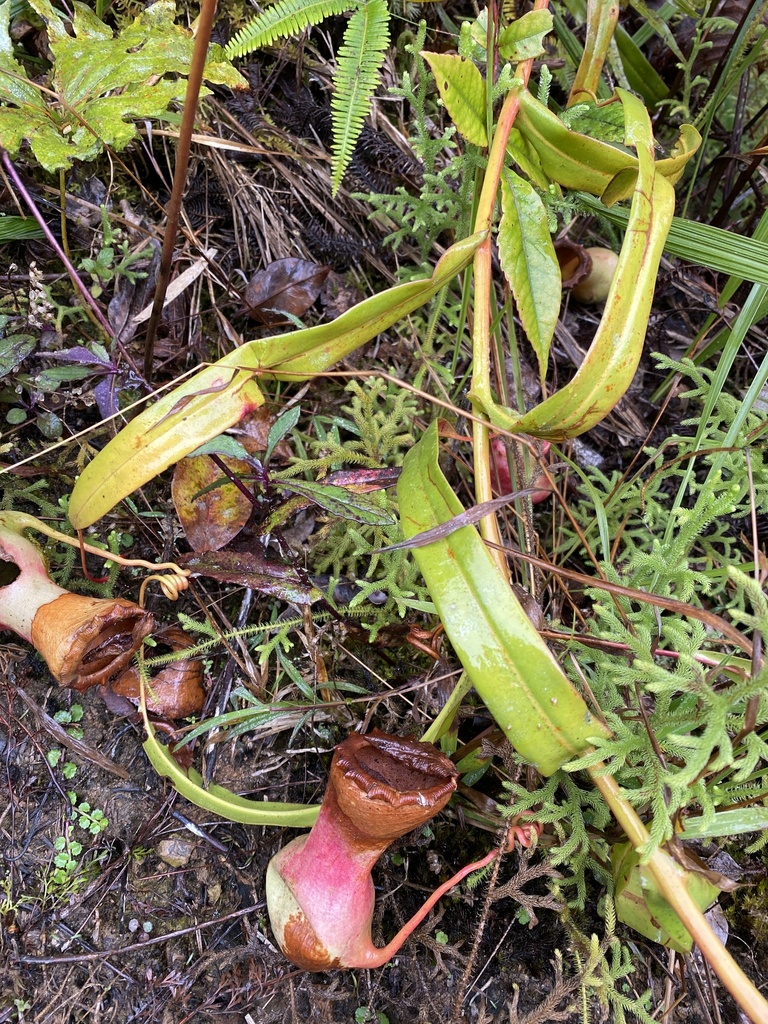
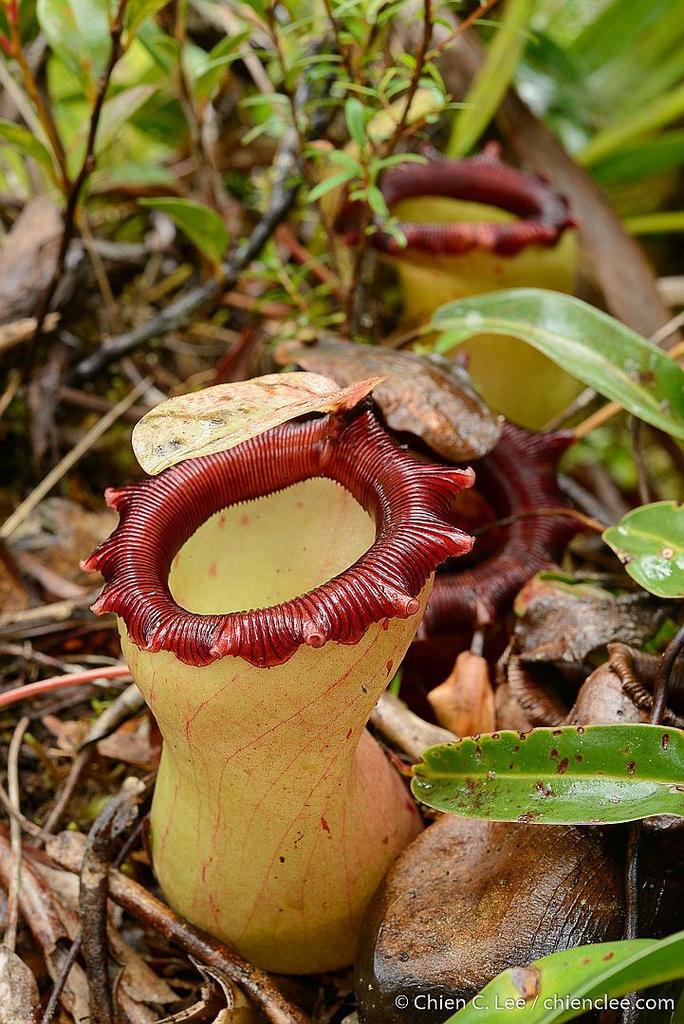
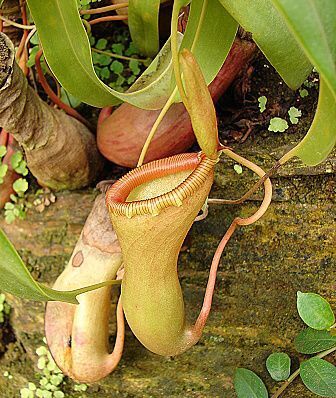
Nepenthes are the most diverse carnivorous plants in form and size. Their pitchers can measure from a few centimeters to over 40 cm and contain a viscous fluid with digestive enzymes. Some species like Nepenthes rajah are so large they have been known to capture small rats. They grow as climbers in tropical rainforests, showing extraordinary morphological variety among the over 170 described species.
Specific care
Nepenthes are divided into three groups according to their native altitude, with very different temperature and humidity requirements. Identifying which group your plant belongs to is the first step to successfully growing it. All prefer bright indirect light, a very aerated substrate (Sphagnum + perlite + orchid bark) and distilled water.
- Day
- 28–35°C
- Night
- >20°C
- Humidity
- 70–90%
N. rafflesiana, N. ampullaria, N. bicalcarata, N. mirabilis
The most heat-tolerant. Ideal for beginners in warm climates. Cannot tolerate cold nights.
- Day
- 20–30°C
- Night
- 15–20°C
- Humidity
- 70–85%
N. ventricosa, N. alata, N. maxima, N. fusca, N. truncata
The most recommended for beginners. They tolerate a wide temperature range and are robust.
- Day
- 20–25°C
- Night
- 8–15°C
- Humidity
- 80–95%
N. villosa, N. lowii, N. rajah, N. veitchii, N. edwardsiana
The most demanding. Mandatory cool nights required. Without temperature drop they do not produce pitchers.
Nepenthes pitchers harbor entire ecosystems called inquilines: mosquitoes, frogs, crabs and bacteria that live inside the digestive fluid without being digested and help decompose prey.
Gallery